What IS this podcast
all about?
Leadership…
It’s a topic that many would say has been talked and written about FOREVER…is there anything new to say ?
maybe you’re thinking “Not another leadership podcast!”
It’s a fair observation. Let’s face it…
There are lots of podcasts on leadership!
So what makes the Mach 5 Leadership podcast different?
Simply put, The Mach 5 Leadership podcast isn’t just about “leading by the book”. It’s about creating a vision that inspires your team members to want to run through walls to follow you and your vision.
It isn’t just about the latest leadership technique. It’s about something sadly lacking in leadership today-character, integrity and accountability.
It’s about principles that pass the test in the real world, not ivory tower academic theories.
It does a deep-dive exploration into both transformational and servant leadership, two key engines that will provide the thrust to get your organization or your individual goals and aspirations over the top.
So join Tom Heemstra and his distinguished world class guests as they help you “kick the tires and light the fires” in preparation for a Mach 5 takeoff. Then you and your team can launch to new heights!
FEATURED EPISODES
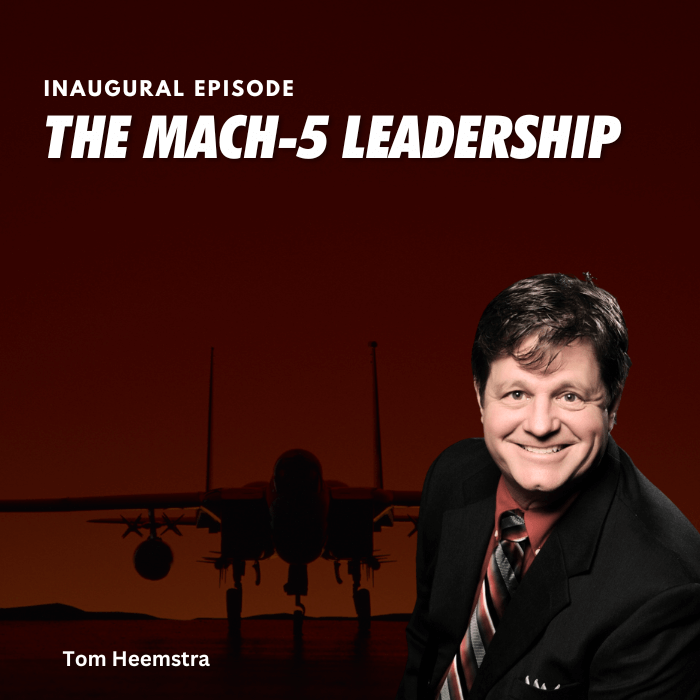
Episode 1
Tom Heemstra shares his experience with toxic leadership and principles for becoming a better leader.
Episode 2
Learn practical advice on enhancing your leadership skills through the “be, do, become” leadership triangle.
Episode 3
Discover how accountability, character, competence, and chemistry impact leadership.
Episode 4
Tom outlines the seven practices of servant leaders and highlights the significance of listening and humility.
Episode 5
4 critical elements of transformational leadership and the importance of emotional intelligence in leadership

VIP DAY
with Tom Heemstra
Every week one lucky listener that subscribes and posts a review on iTunes will win an entry into the $15,000 Value Grand Prize Drawing for a Private VIP Day with Tom Heemstra himself. Previous VIP days have produced massive mindset shifts resulting in increased attraction and retention rates of top-tier talent, plus greater employee engagement and productivity, boosting bottomline profits.








Don’t Forget To Subscribe & Leave A Review!
The Grand Prize VIP Day with Tom Heemstra is open to legal residents of the fifty (50) United States and the District of Columbia who are at least eighteen (18) years old at the time of entry. The drawing is sponsored by sponsored by MACH 5 Quantum Leadership Solutions, LLC. Participation in the Contest constitutes entrant’s full and unconditional agreement to and acceptance of these terms and agreement to submit an entry using the instructions on the website www.mach5leadership.com. The Grand Prize VIP Day with Tom will be held in Palm Beach Gardens, FL with the location and date TBD. Winner is responsible for transportation and lodging to the event which will be a private event for the winner. If another location or venue is desired, a change can be made if the winner and Tom agree.
MEET YOUR HOST
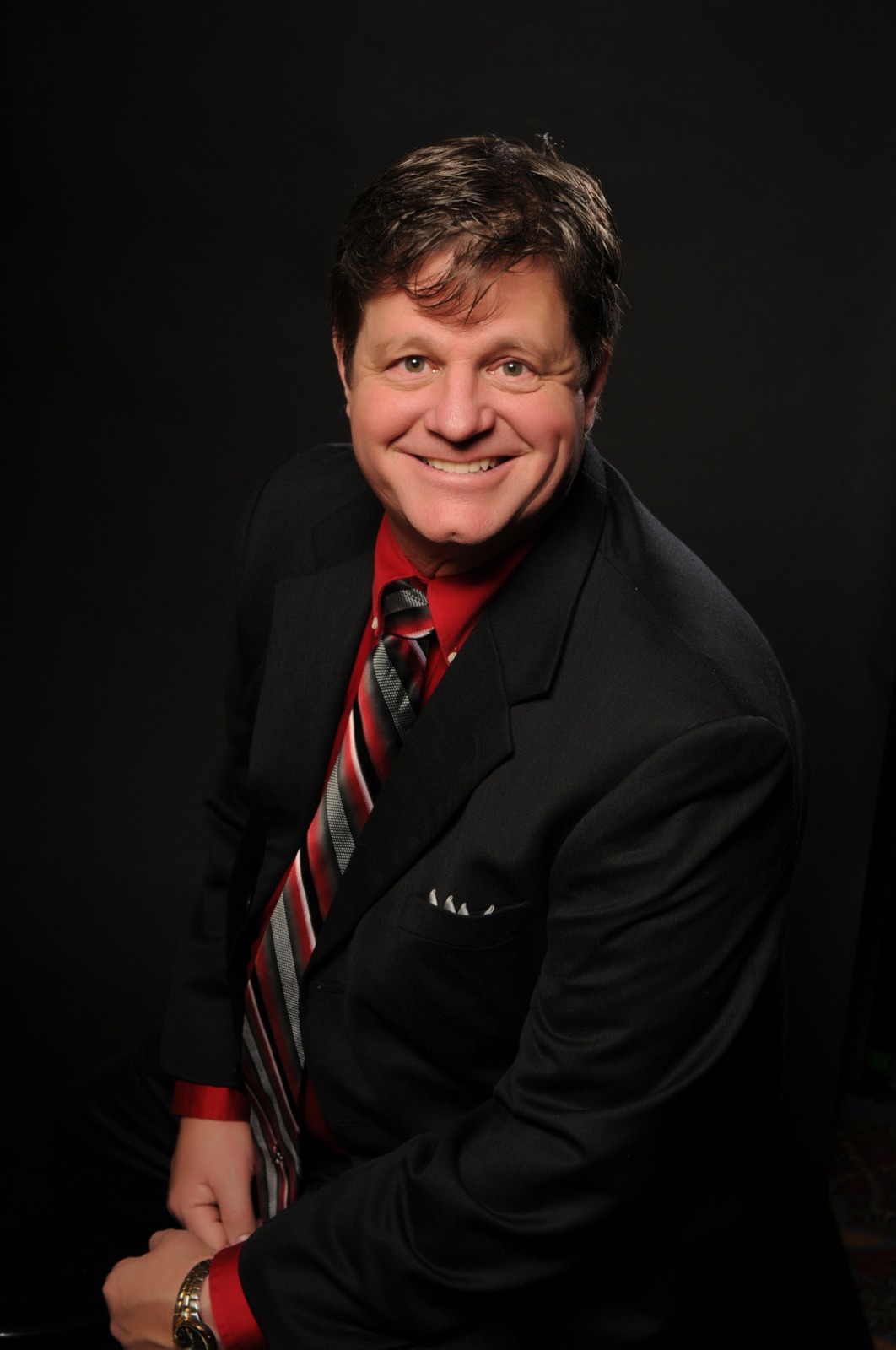
Tom Heemstra
Dr. Tom Heemstra is Founder and CEO of MACH 5 Quantum Leadership, LLC, a unique, leading-edge executive coaching and consulting firm.
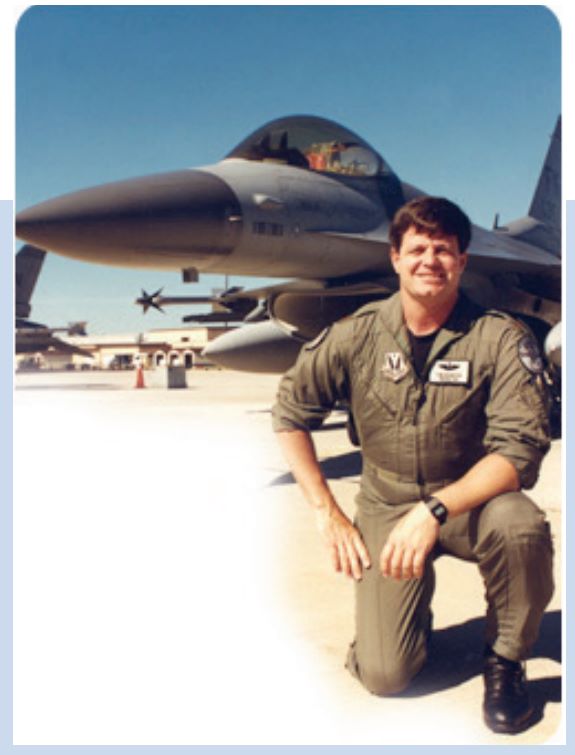
Lt. Col. (ret.) Heemstra, is a 20-year Air Force veteran, former F-16 Fighter Pilot and Fighter Squadron Commander with 15 combat missions over Iraq. Also, a former Instructor Pilot, with over 21,000 Total flying hours, Tom is currently an International Airline Captain, and success partner for a major U.S. airline the last 34 years.
Dr. Tom Heemstra’s bold leadership impact has directly inspired major award-winning International Fortune 50 companies, local businesses, and leading national organizations where leadership training is the foundation for both character and competence. Combining renewed vision and camaraderie to attract extraordinary talent, he has personally catalyzed performance turnarounds through hundreds of engaged high-performance teams, required to reach these outstanding levels.
Tom, as a Patriot, is a noted author, speaker, and former ‘Outstanding Adjunct Professor’ at the College of Mt. St. Joseph teaching Servant Leadership. He holds a Doctorate degree in Strategic Leadership from Regent University with focused expertise on both Transformational, and Servant Leadership. He is a distinguished military graduate from the U.S. Air Force Academy. Read More…
Love THe show?
Let us know!
GET YOUR GIFT
from Tom
ASK Dr. TOM
a question
If you have have a question for Tom, speak your question for him here in your own voice and Tom will answer you personally. No question is off limits and Tom can't wait to hear from you!